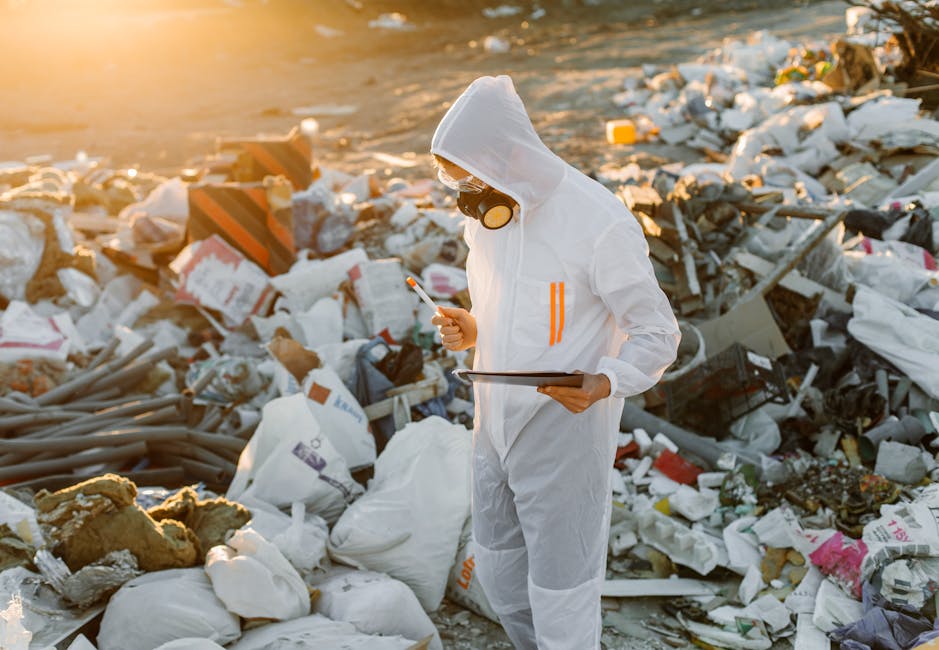
Avoid hazardous waste fines for Kensington cleaning jobs

If you clean homes, offices, rental flats, or post-build properties in Kensington, hazardous waste can turn an ordinary job into a costly headache very quickly. One wrong bin bag, one unlabeled bottle, or one careless disposal of paint, bleach, sharps, or solvent-soaked cloths can lead to fines, complaints, delays, and a lot of unnecessary stress. The good news? With a sensible system in place, Avoid hazardous waste fines for Kensington cleaning jobs is less about memorising every rule and more about building calm, repeatable habits that protect your business and your clients.
This guide breaks down what counts as hazardous waste, how cleaning teams can handle it properly, where fines usually come from, and what a practical Kensington cleaning workflow should look like day to day. If you want the short version: identify waste early, separate it properly, document what leaves site, and never guess when the material could be dangerous.
Why this matters in Kensington
Kensington is a busy, high-value part of London with a mix of period homes, managed flats, offices, retail spaces, serviced accommodation, and refurbishment projects. That mix matters because the waste generated by cleaning jobs varies a lot. A straightforward domestic clean might create very little waste, while an after-builders job, deep clean, or house clearance can produce contaminated cloths, chemical containers, broken fittings, plaster dust, dust sheets, old aerosols, batteries, sharps, or even small quantities of unknown substances.
Let's face it, most fines do not happen because someone intended to break the rules. They happen because the disposal decision was rushed. A cleaner is told to "just take it away", the bags go in the wrong skip, or a pungent bottle gets poured down a drain without checking what it is. That kind of shortcut can be expensive, and in some cases it creates safety issues for other workers too.
For Kensington cleaning jobs, the stakes are also reputational. Clients expect discreet, professional work, especially in managed buildings and premium properties. If waste is left behind, mixed incorrectly, or stored badly in a hallway or courtyard, the complaint often travels fast. Better handling means fewer awkward conversations, fewer delays with building managers, and a cleaner finish overall.
When your team operates with a proper process, you also protect the job itself. For example, a deep clean after decorating can be finished on time if the waste route is already planned. If not, you end up stopping mid-job to figure out where a half-used chemical bottle should go. That sort of pause sounds small. It rarely is.
How hazardous waste handling works
At a practical level, hazardous waste handling in cleaning work follows a simple logic: identify, separate, store, label, move, and dispose of correctly. Each step reduces the chance of contamination or illegal disposal. In the UK, the precise requirements depend on the material and the circumstances, but the operational idea is always the same. Do not mix dangerous waste with ordinary rubbish, and do not treat unknown waste as if it were harmless.
In cleaning jobs, hazardous waste often falls into a few everyday categories:
- Chemical waste such as strong bleach, descalers, oven cleaners, solvents, degreasers, drain products, and mould treatments
- Contaminated soft waste such as cloths, mop heads, pads, masks, or absorbent materials soaked in chemicals
- Sharps or broken glass where there is a risk of injury
- Aerosols, batteries, and bulbs removed during a cleaning or clearance job
- Unknown substances found in basements, cupboards, utility areas, or post-tenancy properties
The tricky part is that some waste looks ordinary until you examine the context. A cloth from a normal dusting job is fine; a cloth used to mop up pesticide residue is not. A bottle of bathroom spray is not always hazardous, but if the label is missing and the contents are unknown, you need to slow down and assess it properly.
That is why good waste control starts before the van doors close. Many experienced teams tie this into the booking stage. They ask the client about previous use of the property, whether there has been building work, whether there are loft or cellar items, and whether any chemicals or medical waste might be present. A few targeted questions can save a lot of trouble later.
If the job is more complex, it often helps to pair cleaning with a service that is designed for messier environments, such as after builders cleaning or house clearance. Those jobs are more likely to uncover mixed waste streams, so planning matters more than usual.
Key benefits and practical advantages
Good hazardous waste handling is not just about avoiding penalties. It improves the whole job, from quoting to sign-off. A tidy system tends to save time, reduce mess, and make your team look more organised. In Kensington, where many clients pay close attention to standards, that goes a long way.
Practical benefits include:
- Lower risk of fines and enforcement action because waste is separated and documented properly
- Safer working conditions for cleaners, residents, building staff, and waste handlers
- Fewer delays when jobs are planned around disposal from the start
- Cleaner final presentation because waste does not build up on site
- Better client confidence thanks to visible professionalism
- Less chance of contamination in a property that still needs to be occupied or handed over
There is also a commercial advantage that is easy to overlook. A cleaning company that handles waste well tends to quote more accurately. Why? Because the team knows what extra steps are needed and can factor them in from the beginning instead of discovering a disposal issue halfway through the job. That kind of realism is worth a lot, even if nobody says it out loud.
For regular clients, especially businesses, consistency matters. If you provide office cleaning or domestic cleaning, safe disposal becomes part of your service quality, not a separate chore. Cleaners can work faster when they know exactly where waste goes and what must be reported.
Who this is for and when it makes sense
This guidance is useful for a wide range of people, not just large cleaning firms. In Kensington, the risk appears in both small and larger jobs, often in places you would not expect at first glance.
It is especially relevant if you:
- run a local cleaning company or manage subcontracted cleaners
- handle end of tenancy cleans, deep cleans, or one-off jobs
- work on properties with post-renovation debris
- deal with offices, clinics, managed buildings, or commercial premises
- clear out storage rooms, basements, lofts, or utility spaces
- clean ovens, carpets, upholstery, or hard floors using chemical products
It also makes sense for landlords and letting agents. If a property has been left with waste in cupboards, under sinks, or in external storage, a simple clean can become a disposal issue fast. A team that knows how to identify hazardous items can keep the job moving instead of turning it into a last-minute scramble.
There is a bigger point here too. If you are working in a premium neighbourhood like Kensington, people often expect a certain level of discretion and care. You do not want a stack of mixed waste bags outside a beautiful building at 8 a.m., to be fair. It just looks messy, and it invites questions.
Step-by-step guidance
If you want a practical way to reduce risk, use a simple repeatable process on every job. This is where a lot of teams win or lose. Not in the theory, but in the small habits.
- Ask the right questions before the job starts. Check whether the property has had building work, pest treatment, illness-related waste, storage clutter, or chemical use. If you are booking through a service like one-off cleaning, this early screening is especially useful.
- Walk the site before touching anything. A quick visual check often reveals broken containers, old paint tins, leaking bottles, or sharp debris. In a kitchen or utility area, check under sinks and behind appliances.
- Separate waste at source. Keep hazardous items apart from general waste, recycling, and reusable materials. Do not "sort it later" if later means mixing it in a black bag.
- Contain it properly. Use suitable sacks, tubs, or sealed containers. If a liquid can leak, it should not be sitting in a flimsy bag in the back of a van.
- Label and note what it is. If the product name is known, record it. If it is not known, mark it as unknown and treat it cautiously. Unknown waste is where people get lazy, and that is where problems start.
- Store it safely while onsite. Keep it away from heat sources, food areas, children, pets, and public access routes. In shared buildings, this matters more than people think.
- Use an approved disposal route. Follow the route that matches the material. Some waste needs specialist handling, not a normal household bin or a general skip.
- Keep a clear record. Make a note of what was collected, when, and by whom. The paperwork does not need to be dramatic, just clear enough that anyone can follow the trail later.
- Review what happened after the job. If you found more waste than expected, update the pre-job questions for next time. Small improvement, big payoff.
That sequence works for homes, flats, offices, and post-build spaces alike. It is not flashy. It is reliable. And reliability is what keeps fines away.
Expert tips for better results
In practice, most waste problems can be traced back to a few predictable habits. The good news is that those habits are fixable. Here are the ones that matter most.
- Keep a "do not mix" rule for chemical residue. Even if two products seem similar, do not combine leftovers unless you know exactly what they are. Chemical reactions are not something you want to discover in the boot of a car.
- Train everyone on the same basics. A senior cleaner may know what to do, but if a new starter does not, the team is only as safe as its least prepared person.
- Use a simple colour or bag system. It does not need to be fancy. The point is instant recognition at a glance.
- Build a habit of checking labels. Missing labels are common in cupboards, under sinks, and utility spaces. If a product is not identifiable, stop and assess it.
- Plan for awkward discoveries. A quick after builders job may uncover old solvents or debris hidden behind units. Prepare for "surprise" waste before it happens.
- Be realistic about what a cleaner can move alone. Some items need specialist handling. It is better to pause a job than to improvise badly.
A tiny bit of field sense helps too. If something smells strongly, leaks, dusts easily, or looks unstable, treat it with extra caution. You do not need to overreact, just slow down. A measured approach is usually enough.
Expert summary: Most hazardous waste fines are not caused by rare edge cases. They come from normal jobs handled too casually. The fix is boring, in the best possible way: ask, sort, store, record, and dispose correctly every time.
For teams that regularly clean furniture or soft finishes, it is useful to align waste handling with the job type itself. Services such as upholstery cleaning or carpet cleaning may involve stain removers, pads, and contaminated cloths that should never be thrown in with general rubbish without a quick check.
Common mistakes to avoid
Most compliance slip-ups are embarrassingly simple. Not funny at the time, obviously, but simple. Here are the ones that show up again and again.
- Assuming all cleaning waste is harmless. Used wipes, chemical bottles, and residue-soaked cloths are not always ordinary waste.
- Mixing unknown items with general rubbish. If you do not know what it is, do not pretend it is fine.
- Leaving waste in shared areas too long. Corridors, front steps, and service yards are high-risk places for complaints and incidents.
- Pouring leftover product away without checking. Drain disposal is not a casual decision.
- Skipping documentation. If something goes wrong later, no record means no defence, and that is a bad place to be.
- Not training temporary staff. One substitute cleaner with the wrong habit can undo a careful system very quickly.
- Ignoring special waste in end-of-tenancy jobs. These jobs often expose more mess than expected, including batteries, sharps, or forgotten containers.
One common real-world pattern is the "it looked like just a bottle" mistake. A cleaner finds a liquid container on a shelf, assumes it is empty, tosses it, and only later learns it contained a solvent or strong chemical. It happens. The fix is to slow down at the point of discovery, not after the bag is gone.
Tools, resources and recommendations
You do not need a huge system to stay organised. In fact, smaller systems often work better because people actually use them. The goal is practical control, not paperwork theatre.
Useful tools and materials include:
- sealed containers for liquids or leak-prone waste
- durable sacks separated by waste type
- simple labels or marker pens for temporary identification
- a short site checklist for cleaners and supervisors
- basic spill kit items for safe containment
- crew briefing notes for unusual jobs
On the admin side, clear policies matter too. A company that has proper health and safety policy, sensible insurance and safety arrangements, and a visible recycling and sustainability approach is usually better placed to keep hazardous waste under control.
It can also help to standardise client communication. For example, a property manager can be asked to flag any stored chemicals, building materials, pest treatments, or medical items before the job starts. That sounds obvious, yet the number of headaches it prevents is not small.
If the job is part of a bigger clean, such as deep cleaning or end of tenancy cleaning, the same tools apply. The difference is simply the volume and variety of waste you may encounter.
Law, compliance, standards and best practice
Without pretending this is legal advice, the main point is straightforward: waste producers and handlers have duties around safe segregation, storage, transfer, and disposal. In the UK, the relevant obligations can sit under environmental and waste legislation, workplace safety expectations, and duty-of-care principles. The exact requirements depend on the waste type, the property, and who is removing it.
Best practice usually means:
- identifying hazardous waste early
- keeping it separate from ordinary rubbish
- storing it so it cannot leak, spill, or be accessed by others
- using a proper disposal or collection route
- keeping enough records to show what was done
For cleaning businesses, this is not just a legal box to tick. It is part of professional conduct. A responsible cleaning company should be able to explain how it handles waste, what it does when it finds unknown materials, and when it will escalate a job rather than guess. That kind of clarity builds trust quickly.
It is also wise to align waste procedures with broader site safety. That means thinking about manual handling, PPE, slips and trips, ventilation, and contamination risks as one joined-up process rather than separate tasks. On a busy Kensington job, those details blur together in real life anyway.
Options and comparison table
Different jobs call for different waste approaches. A domestic weekly clean is not the same as a builder's post-finish clear-up, and an office refresh is not the same as a house clearance. Here is a simple comparison that helps decide the right level of control.
| Job type | Typical waste risk | Best approach | Common mistake |
|---|---|---|---|
| Domestic cleaning | Low to moderate | Separate chemical bottles and contaminated cloths, keep records for anything unusual | Throwing everything into one bin bag |
| One-off cleaning | Moderate | Pre-check the property, ask about stored products and hidden clutter | Underestimating what is in cupboards or utility areas |
| After builders cleaning | Higher | Plan for mixed debris, sharp fragments, dust contamination, and unknown waste | Using normal domestic disposal habits |
| End of tenancy cleaning | Moderate to high | Inspect kitchens, bathrooms, and storage spaces carefully before bagging anything | Rushing because the handover deadline is close |
| Office cleaning | Moderate | Separate batteries, bulbs, toner, and confidential waste from general rubbish | Assuming office waste is automatically simple |
| House clearance | High | Treat unknown containers, sharps, and mixed items as a priority check | Sorting only after loading the van |
If you are working in soft-furnishing or floorcare-heavy environments, it is worth bringing the same discipline to related services like oven cleaning, rug cleaning, or hard floor cleaning, because residues, pads, and chemicals can create waste issues even when the visible job looks simple.
Case study or real-world example
A Kensington property manager books a late-morning clean after light refurbishment in a two-bedroom flat. At first glance, it looks straightforward: dust, residue, a few paint marks, and general clutter. Then the team checks the utility cupboard and finds several unlabelled bottles, a half-used solvent tin, and cloths that have clearly been used around wet product. Nothing dramatic. Just enough to matter.
Instead of bagging everything together, the cleaner pauses, separates the items, and flags the unknown containers for assessment. The team leaves the general waste route for ordinary debris and handles the suspect materials more cautiously. The job takes a little longer. Not much, but enough to keep the workflow calm. There is no rush at the end, no last-minute guessing, and no mixed bag full of "we thought it was fine".
What changed? Not special equipment. Not a complicated policy. Simply a better habit at the moment of discovery.
That is the real point for Kensington cleaning jobs. Most costly errors happen in the middle of a busy day when everyone is trying to keep moving. A short pause, a label check, or a quick separation step is often the difference between a clean sign-off and an avoidable mess. Truth be told, that is where professionalism actually shows.
Practical checklist
Use this as a quick pre-close or post-job check. It is simple, and that is the whole idea.
- Have all cleaning staff been briefed on what counts as hazardous waste?
- Did the site walk identify any unknown bottles, sharps, batteries, bulbs, or contaminated materials?
- Were hazardous items kept separate from general waste and recycling?
- Were liquids sealed, contained, and labelled where needed?
- Did anyone pour leftover product away without checking the label first?
- Was the waste stored safely away from residents, visitors, and staff?
- Were unusual items recorded before leaving site?
- Does the team know when to stop and escalate rather than guess?
- Are related policies and insurance details up to date?
- Would a supervisor be able to explain what was removed if asked later?
If you can answer yes to most of those without hesitating, you are in a much stronger position already. A simple system beats a clever one that nobody follows.
Conclusion
Avoiding hazardous waste fines in Kensington cleaning work is not about fear. It is about consistency, judgement, and a little discipline in the right moments. Separate risky materials early, train people properly, and never treat unknown waste as ordinary rubbish. That one habit alone can save time, protect your team, and keep your business on the right side of both compliance and client expectations.
For cleaning businesses, landlords, and property managers, the smartest approach is to make waste handling part of the job spec, not an afterthought. When the process is clear, the work feels calmer. Less scrambling. Less waste. Less risk. And frankly, a better finish all round.
Get a free quote today and see how much you can save.
And if you are refining your team standards more broadly, it may also help to review the company background on the about us page and the booking and service details in the pricing and quotes section, so the whole process feels joined up from the start.
Frequently Asked Questions
What counts as hazardous waste on a cleaning job?
Anything that could harm people or the environment if handled like normal rubbish can count, including strong chemicals, contaminated cloths, aerosols, batteries, sharps, broken glass, and unknown liquids. If in doubt, treat it cautiously.
How do I stop hazardous waste fines on Kensington cleaning jobs?
Use a simple process: identify waste early, keep it separate, store it safely, label it where needed, and dispose of it through the correct route. Fines usually come from mixing waste or guessing incorrectly.
Do domestic cleaning jobs really create hazardous waste?
Yes, sometimes. It may be a small amount, but leftover chemical bottles, mould products, razor blades, broken glass, or contaminated cleaning cloths can still create a risk if handled badly.
What should I do if I find an unlabelled bottle?
Do not assume it is harmless. Keep it separate, avoid opening or pouring it, and treat it as unknown until you can identify it safely. Unknown waste is exactly where caution pays off.
Is after builders cleaning higher risk for waste fines?
Usually, yes. Refurbishment jobs often uncover mixed debris, dust, broken materials, and leftover products. That is why a proper waste plan matters more on after builders cleaning jobs.
Do cleaners need special training for hazardous waste?
They need clear instruction at minimum, and more structured training for teams that regularly handle chemicals, post-build waste, or clearance work. The exact level depends on the job type and the risks involved.
Can I put chemical bottles in normal rubbish if they are empty?
Only if you are certain they are empty and no residue or hazard remains. If there is any doubt, do not treat them as ordinary waste. It sounds fussy, but that is the point.
What records should a cleaning company keep?
Keep enough information to show what was found, how it was separated, when it left site, and by whom. The record does not need to be complicated, just clear and reliable.
How does this apply to office cleaning?
Office jobs often involve batteries, toner, bulbs, confidential waste, and occasional chemical products from kitchens or maintenance cupboards. A good office cleaning process should include waste separation from the start.
What is the biggest mistake people make?
Probably assuming that all cleaning waste is ordinary waste. That single assumption causes mixing, poor storage, and a lot of preventable trouble. It is one of those mistakes that feels small at the time and then turns awkward fast.
Do I need different waste rules for end of tenancy cleaning?
Yes, in practice you often do. End of tenancy properties can hide old products, food waste, broken items, and forgotten clutter. A careful inspection before bagging things up makes a big difference.
Where can I get help if I want cleaner, safer processes?
Start with your own operating procedures, then review related company information such as health and safety guidance and recycling and sustainability. A clear process is usually the best support you can give your team.