Deep cleaning for Victorian flats near High Street Kensington
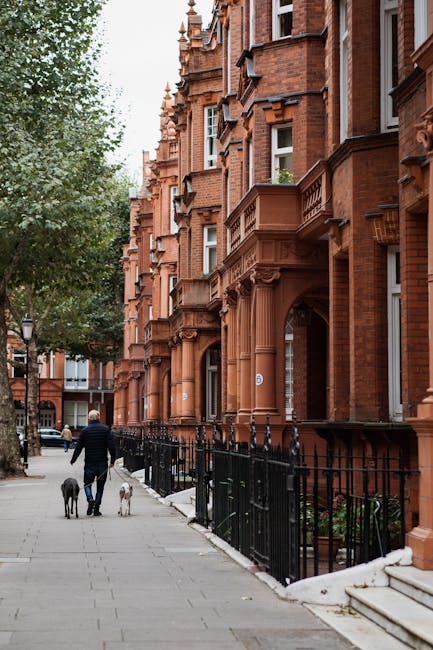
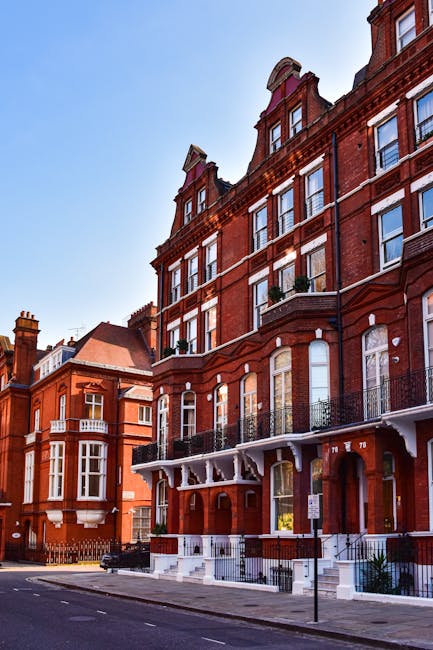
Victorian flats near High Street Kensington have a charm that's hard to beat: tall sash windows, ornate cornicing, old timber floors, and the kind of proportions that make a room feel properly London. But let's face it, that same character also comes with dust traps, awkward corners, layered paintwork, and surfaces that need a bit more care than a modern flat. Deep cleaning for Victorian flats near High Street Kensington is not just about making things look tidy for a day. It's about restoring the flat properly, protecting older materials, and dealing with the sort of buildup that regular weekly cleaning simply misses.
In this guide, you'll find a practical, no-nonsense approach to cleaning period homes in SW7 and the surrounding streets. We'll cover what makes these flats different, how a proper deep clean should work, the common mistakes people make, and the safest way to handle everything from skirting boards to neglected bathrooms. If you're comparing services, you may also want to look at deep cleaning in Kensington, or the broader services overview to see how specialist cleaning fits into a fuller home-care plan.
Whether you're preparing for a move, trying to freshen up a long-loved home, or simply feeling a bit overwhelmed by the dust that seems to reappear overnight, you're in the right place.
Table of Contents
- Why Deep cleaning for Victorian flats near High Street Kensington Matters
- How Deep cleaning for Victorian flats near High Street Kensington Works
- Key Benefits and Practical Advantages
- Who This Is For and When It Makes Sense
- Step-by-Step Guidance
- Expert Tips for Better Results
- Common Mistakes to Avoid
- Tools, Resources and Recommendations
- Law, Compliance, Standards, or Best Practice
- Options, Methods, or Comparison Table
- Case Study or Real-World Example
- Practical Checklist
- Conclusion
- Frequently Asked Questions
Why Deep cleaning for Victorian flats near High Street Kensington Matters
Victorian flats are beautiful, but they're also demanding. Older properties tend to have more mouldings, more joins, more ledges, and more places where dust quietly settles out of sight. A polished floor can look fine from the doorway while a closer look reveals grime on the edges, behind radiators, around taps, or in the small ledge under a picture rail. That's the reality.
Near High Street Kensington, many flats have been updated over time, which means you can end up with a mix of old and new materials in the same space. You might have original floorboards in one room, modern kitchen units in another, and a bathroom where hard water marks build up faster than you'd expect. A deep clean has to respect all of that.
There's also the practical side. Period flats often sit in busy streets, and with everyday London life outside your door, dirt gets tracked in more easily than people think. Shoes, pets, cooking residue, condensation, traffic dust, and occasional renovation debris all add up. So if your flat has started to feel a bit heavy, a bit stale, or just never quite clean enough, this is usually why.
Expert summary: In Victorian flats, a true deep clean is less about "making it look nice" and more about working methodically through the hidden build-up points that regular cleaning routines miss.
If you're local to the area and want a service that understands these property types, deep cleaners in Kensington SW7 can be a sensible place to start your research. The key is experience with older homes, not just general cleaning.
How Deep cleaning for Victorian flats near High Street Kensington Works
A proper deep clean is usually a room-by-room process, but the order matters. You start high and work down, dry before wet, and detail before finishing polish. That sounds simple, but in older flats the sequence makes a huge difference. If you clean floors first and then dust the cornices, you've basically created more work for yourself. Nobody wants that. Not on a Saturday, anyway.
The work normally begins with a walkthrough and a quick assessment. In a Victorian flat, a cleaner should look for delicate paintwork, older sealants, hardwood floors, limestone, brass fixtures, and any areas of moisture or flaking plaster. Then the cleaning plan should adapt to the property rather than forcing the property to fit the plan.
Typical stages often include:
- dry dusting high ledges, cornices, light fittings, and picture rails
- vacuuming with attachments to reach corners, skirting, and under furniture
- degreasing kitchen surfaces, extractor areas, handles, and tile edges
- descaling bathrooms and cleaning around taps, grouting, and shower screens
- spot-treating marks on doors, frames, and switch plates
- cleaning behind and beneath appliances where accessible
- finishing with floors, mirrors, glass, and high-touch points
In a well-run clean, the products should match the material. Harsh chemicals on older timber? Bad idea. Abrasive pads on aged enamel? Also bad. Victorian homes have a few quirks, and those quirks deserve a bit of respect.
For kitchens and living rooms, services often overlap with house cleaning in Kensington and carpet cleaning in Kensington, especially where there's a need to deal with soft furnishings, rugs, or built-up foot traffic. If your flat has upholstered dining chairs or a tired armchair in the bay window, upholstery cleaning can be a useful add-on too.
Key Benefits and Practical Advantages
The obvious benefit is cleanliness. But the real value of deep cleaning a Victorian flat goes further than that. When done properly, it improves how the home feels, how it smells, and how easily it can be maintained after the job is done.
Here are the main advantages:
- Better air feel: Dust in older properties can build up on top surfaces and around heat sources. Removing it often makes the flat feel fresher straight away.
- Longer life for surfaces: Timber, grout, tile, and painted finishes can all suffer if grime is left in place too long.
- Improved presentation: Useful if you're hosting, letting, selling, or just want the place to feel more settled.
- Less ongoing maintenance: Once the deep layer of dirt is removed, regular cleaning becomes much easier.
- Better inspection outcomes: Handy for landlords, tenants, and buyers who need the property to present well on short notice.
There's another, less obvious benefit: peace of mind. A lot of people in period flats get used to certain marks, dust lines, or dull patches and stop noticing them. Then one day the flat is cleaned properly and the difference is a bit startling. "Oh. So that's what the floor actually looks like." It happens more often than you'd think.
If you're planning a move or a tenancy handover, a deep clean can sit neatly alongside end of tenancy cleaning in Kensington. If you're just refreshing the home for the season, spring cleaning may be the more natural fit.
Who This Is For and When It Makes Sense
Deep cleaning for Victorian flats near High Street Kensington makes sense for more people than you might expect. It's not only for people who have let things slide. In fact, many of the best reasons are practical and ordinary.
This service is especially useful if you:
- have just moved into a Victorian flat and want a truly fresh start
- are preparing the property for sale or viewing
- are ending a tenancy and need the flat to present well
- have guests staying, or you're hosting something at home
- have not cleaned behind furniture, appliances, or fittings in a long time
- want a one-off reset before moving into regular maintenance cleaning
It also makes sense after decorating, after a long winter, or after a busy period where the flat has simply been lived in hard. To be fair, that's most homes at some point. People cook, work, rush around, forget the tops of doors, and suddenly there's a dust line where the moulding meets the wall.
For owners thinking about property value and presentation, a clean flat can make a surprisingly strong impression. If that's your situation, you may find the local perspective in this guide to Kensington real estate helpful, as well as advice on selling property in Kensington. Cleanliness does not sell a home on its own, but it helps buyers breathe easier. Literally and emotionally.
Step-by-Step Guidance
If you're planning the work yourself, or simply want to know what a quality clean should include, this step-by-step outline will help.
- Declutter first. Remove loose items from floors, worktops, shelves, and window ledges. Deep cleaning is slower and better when surfaces are clear.
- Start high. Dust cornices, ceiling corners, light fittings, picture rails, and curtain poles before moving to eye level.
- Work across each room systematically. One room at a time is usually the safest approach in older flats with lots of detail.
- Clean delicate surfaces with the right method. Timber needs a gentler touch than tile. Painted woodwork needs different care from stone or metal.
- Focus on edges and transitions. Skirting boards, door frames, sockets, switches, and the junction between floor and wall collect more dirt than people expect.
- Handle kitchens and bathrooms carefully. These areas need special attention for grease, limescale, soap residue, and hygiene touchpoints.
- Vacuum thoroughly. Use attachments for corners, upholstery seams, radiator edges, and under furniture where possible.
- Finish with floors and glass. Once dust and debris are gone, you can complete the clean without dragging grime back into already finished areas.
If the flat contains original features, check them before using any liquid product. Old paint, fragile sealant, and decorative plaster can react badly to over-wetting. A small patch test in an unnoticed area is not glamorous, but it's sensible. Maybe even boring. Still worth doing.
For many residents, a professional service is the easiest route, especially if the property is large, furnished, or simply awkward to work around. If that's you, one-off cleaning in Kensington can be a practical middle ground between routine maintenance and a full specialist clean.
Expert Tips for Better Results
Good results in Victorian flats come from small decisions made early. The best cleaners are rarely the loudest; they're usually the ones who notice the slight yellowing around a window latch, the dust that gathers above the curtain rail, or the way a bathroom mirror catches hard water mist in the morning light.
Here are a few tips that genuinely help:
- Use the right attachment. A narrow vacuum nozzle is often better than brute force. It reaches the moulding line and protects delicate areas.
- Avoid oversaturation. Timber floors, original joinery, and old plaster dislike too much water.
- Let products dwell, but not too long. Degreasers and descalers need time to work, though you should always follow the label and test first.
- Open windows where possible. Fresh air helps with drying and reduces lingering product smell. On a damp Kensington morning, that matters.
- Break the job into zones. High-detail homes can feel endless if you try to tackle everything at once.
- Use soft cloths on decorative surfaces. Microfibre is usually a safe place to start, but check the finish first.
A small but useful habit: clean the top of the fridge, wardrobes, and door frames before you focus on visible eye-level surfaces. Those hidden spots often release the most dust once disturbed, and it's better to catch it early. Sounds obvious, but people forget it all the time.
If your flat also serves as a home office or shared workspace, you may want to pair the clean with a look at office cleaning in Kensington. Hybrid homes can gather mess in weird little pockets, especially under desks and around cables. A bit annoying, really.
Common Mistakes to Avoid
Victorian flats are forgiving in some ways and fussy in others. The mistake is assuming they behave like newer apartments. They don't.
Some of the most common errors are:
- Using harsh chemicals on old finishes. Strong products can strip sheen, dull paint, or damage sealants.
- Ignoring the top edges of rooms. Dust builds up higher than eye level and then drifts back down later.
- Cleaning floors too early. If you dust after vacuuming, you've doubled the workload.
- Forgetting radiator backs and pipework. These collect lint and grime fast.
- Not checking for moisture issues first. A dirty mark near a window might actually be a damp-related problem, and that changes the approach.
- Rushing bathroom descaling. Limescale in older properties often needs patience rather than scrubbing until your arm falls off.
One quiet mistake is not preparing enough time. A proper clean in a Victorian flat often takes longer than people expect because the detail is everywhere: shutters, skirting, door architraves, shelving, vents, tiles, hinges. It's not that the flat is dirty in a dramatic sense. It's just detailed. Very detailed.
Tools, Resources and Recommendations
You do not need a truckload of equipment, but you do need the right basics. In period homes, the best toolkit is usually simple, careful, and adaptable.
| Area | Useful tools or products | Why they help |
|---|---|---|
| Cornices and high ledges | Extendable duster, vacuum brush attachment | Reaches dust safely without scraping decorative features |
| Kitchen surfaces | Non-abrasive degreaser, microfibre cloths | Lifts grease without damaging finishes |
| Bathroom fittings | Descaler, soft sponge, dry cloth | Helps remove limescale and restore shine |
| Floors | Vacuum with attachments, suitable floor cleaner | Cleans edges and protects wood or stone |
| Upholstery | Fabric-safe cleaner, upholstery tool | Removes embedded dust and everyday marks |
For soft furnishings, rugs, and fabric chairs, specialist support can be worthwhile, especially if the item is older or lightly delicate. Upholstery cleaning in Kensington is often the simplest way to avoid damage while getting a noticeably fresher result.
And if you're pricing up services, pricing and quotes gives you a clearer idea of how the process is handled. Not every home is the same, and honestly, they shouldn't be priced as if they were.
Law, Compliance, Standards, or Best Practice
Cleaning itself is not usually the most regulated part of home maintenance, but there are still sensible standards and responsibilities to keep in mind. In a Victorian flat, especially one with older finishes or shared building spaces, best practice matters a lot.
From a practical standpoint:
- Use products as directed. Follow label instructions for dilution, dwell time, ventilation, and safe use.
- Protect materials and fixtures. If a surface is fragile, decorative, or historically significant, take a cautious approach.
- Respect building access and shared areas. Communal hallways, stairs, and entry systems should be left tidy and secure.
- Consider safety on ladders and step stools. Overreaching in period flats is how people end up with sore backs and regrettable stories.
- Check service assurances. If you hire a company, make sure you understand how they approach safety, insurance, and complaints.
For added reassurance, it can be helpful to review a provider's insurance and safety information and their health and safety policy. That's not just box-ticking; it tells you whether the team is thinking properly about risk, materials, and access. You'd be surprised how often that gets overlooked.
If privacy, terms, or service expectations matter to you - and they should - it is also sensible to check the provider's privacy policy and terms and conditions. A clear setup is usually a good sign.
Options, Methods, or Comparison Table
Depending on the flat's condition, your timeline, and your budget, there are a few different ways to approach the job. Here's a simple comparison that may help.
| Method | Best for | Strengths | Limitations |
|---|---|---|---|
| DIY deep clean | Small flats, light buildup, hands-on owners | Flexible, lower immediate cost, full control | Time-consuming, easy to miss hidden areas, physical effort |
| Professional one-off clean | Busy households, move-in resets, neglected areas | Efficient, detailed, less stress | Needs good communication about surfaces and priorities |
| Deep clean plus carpet or upholstery add-ons | Homes with fabric furnishings, rugs, or heavy foot traffic | More complete refresh, better overall finish | Costs more than a basic clean |
| Recurring domestic cleaning after a deep clean | People who want results to last | Keeps dust and grime under control | Won't replace the need for periodic deeper work |
For many residents, the best answer is a combined approach: one proper reset, then lighter regular maintenance. That tends to work well in older Kensington flats, where dust and detail are part of daily life rather than occasional visitors.
If you want ongoing help after the deep clean, domestic cleaning in Kensington can keep the property in decent shape without making every week feel like a small project.
Case Study or Real-World Example
Here's a realistic example. A second-floor Victorian flat near High Street Kensington had been occupied for several years by a couple who kept things neat, but not deeply cleaned. The flat looked fine at first glance. Nothing dramatic. But the kitchen had greasy cabinet edges, the bathroom had limescale around the taps, and the original woodwork had collected a soft grey film along the skirting.
They booked a one-off deep clean ahead of a weekend visit from family. The job focused on the kitchen, bathroom, living room, hallway, and both bedrooms, with extra care given to window frames, light switches, and the tops of doors. A fabric sofa also had a quick refresh because the room had that faint "lived-in" smell that older upholstery gets in winter. Nothing unpleasant, just... there.
By the end, the flat felt lighter. The rooms were the same size, of course, but the space seemed to breathe better. The owners said the biggest change was not the shine on the bathroom tap, which was nice enough, but the way the flat stopped feeling dusty in the morning. That's the sort of improvement people notice after the fact. Quietly, then all at once.
This is also why location matters. A home near the bustle of High Street Kensington, with traffic dust, footfall, and old building materials all in the mix, will usually benefit more from an informed cleaning plan than a one-size-fits-all approach. If you enjoy local context, the article on Kensington as a neighbourhood gives a nice sense of the area, while this piece on Kensington's streets helps explain why properties here often need a more considered touch.
Practical Checklist
Use this checklist before, during, or after a deep clean. It keeps the process calm and stops important details slipping through the cracks.
- Declutter shelves, floors, and worktops
- Identify delicate surfaces and any known problem areas
- Dust high points first: cornices, curtain poles, light fittings
- Clean frames, skirting boards, doors, and switches
- Vacuum under furniture and along edges
- Degrease kitchen surfaces and handles
- Descale bathroom fittings and glass
- Check behind appliances where accessible
- Clean upholstery, rugs, and soft furnishings if needed
- Finish with floors, mirrors, and visible touchpoints
- Air the rooms and inspect for missed spots in daylight
Quick tip: if you can, check the flat in natural light the next morning. Morning light near High Street Kensington can be brutally honest. Handy, though. It spots what evening lamps politely hide.
Conclusion
Deep cleaning for Victorian flats near High Street Kensington is really about care, not just effort. These homes have personality, but they also have edges, layers, and materials that ask for a steadier hand. When the work is done well, the flat feels brighter, calmer, and far easier to live in. That is the point, after all.
Whether you're preparing to move, hosting guests, or simply want your period flat to feel properly looked after again, the best results usually come from a careful method and a realistic plan. Keep the materials in mind, avoid rushing the detail, and don't be afraid to bring in specialist help when it saves time and protects the property. A good clean can change the whole mood of a home, and sometimes that's exactly what a Victorian flat needs.
For a tailored approach, you can explore about us to understand the service ethos, or review payment and security if you want extra reassurance before booking. And if you're comparing options for a specific property type, the local pages around house cleaning and spring cleaning are useful next steps too.
Get a free quote today and see how much you can save.
Frequently Asked Questions
What makes Victorian flats harder to deep clean than modern flats?
Victorian flats usually have more decorative detail, older materials, and more awkward ledges where dust gathers. You also need to be more careful with original timber, paint, and plaster than you would in a newer flat with simpler finishes.
How often should a Victorian flat near High Street Kensington have a deep clean?
It depends on how the flat is used, but many people choose a deep clean a few times a year, or before major events like moving, hosting, or the end of a tenancy. A regular cleaning routine helps stretch the time between deeper visits.
Can I deep clean a Victorian flat myself?
Yes, if the flat is small and the buildup is manageable. The main challenge is time and detail. If you're dealing with old fixtures, delicate finishes, or a busy schedule, professional help is often the safer and easier option.
What areas are usually missed during a normal clean?
Top edges of doors, skirting boards, light fittings, radiator backs, window tracks, and the top of cupboards are common misses. In Victorian flats, decorative mouldings and picture rails also collect a surprising amount of dust.
Is deep cleaning safe for original Victorian woodwork?
It can be, provided the correct products and methods are used. The main rule is to avoid harsh chemicals and too much water. A gentle, material-aware approach is best for original or aged woodwork.
What is the difference between deep cleaning and spring cleaning?
Spring cleaning is often a seasonal refresh, while deep cleaning is usually more detailed and targeted at built-up dirt. In practice, the two can overlap, but a true deep clean tends to go further into hidden and neglected areas.
How long does a deep clean of a Victorian flat usually take?
That depends on size, condition, layout, and whether additional services are included. A compact flat may be completed fairly quickly, while a larger period property with lots of detail can take considerably longer.
Do I need carpet or upholstery cleaning as part of the job?
Not always, but it's often worth considering if the flat has rugs, fabric chairs, sofas, or noticeable foot traffic. Fabric items hold dust and odour in a way hard surfaces simply don't.
What should I do before a cleaner arrives?
Declutter surfaces, remove valuables, and point out any fragile or problem areas. If there are stains, marks, or rooms you want prioritised, mention them at the start so the clean is focused where it matters most.
Are there any special concerns in older Kensington buildings?
Sometimes, yes. Shared entrances, older fixtures, and mixed-material interiors mean cleaners need to be careful with access, moisture, and delicate finishes. It's sensible to choose a service that understands period properties and works with care.
Can deep cleaning help if my flat feels dusty all the time?
Yes. A persistent dusty feeling can come from hidden buildup on high surfaces, fabrics, radiators, and floor edges. A proper deep clean can make the whole flat feel fresher, especially in homes with older features and lots of detail.
How do I choose the right cleaning service for a Victorian flat?
Look for experience with period properties, clear safety information, and a sensible explanation of what's included. It also helps if the service offers related options such as domestic cleaning, upholstery care, or one-off cleaning, so you can build the right package for the flat.